
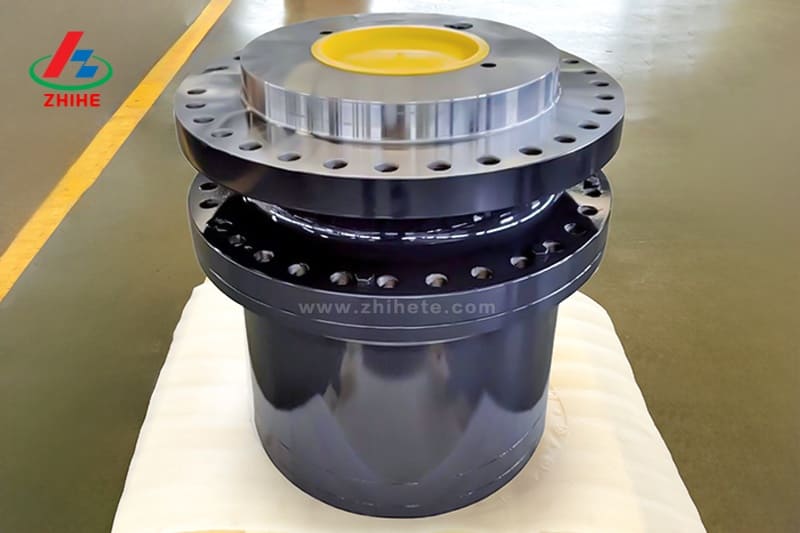
Tracked machines like cranes, excavators, and bulldozers need more than raw power. They need controlled force. At the core of that control is the travel reducer, also known as the Planetary wheel drive. It converts high-speed, low-torque motor output into low-speed, high-torque power. That torque drives the tracks and keeps the machine moving across tough terrain.
A well-built travel reducer lets equipment climb slopes and push through resistance. It works for long hours without failure. In harsh conditions or under heavy loads, the quality of the reducer decides the outcome. It can mean smooth, reliable movement — or a machine that grinds to a halt.
In this article, we will:
- Explore how planetary wheel drive function within tracked equipment,
- Highlight the most common faults that impair their performance, and
- Offer preventive maintenance tips to maximize reliability and minimize downtime.
By the end, you’ll understand how to stop issues before they threaten your operation.
Understanding Travel Reducers in Tracked Equipment
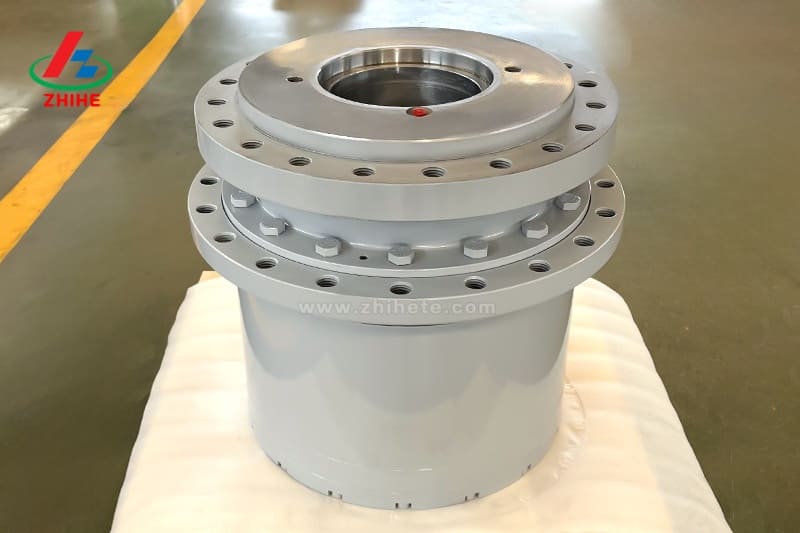
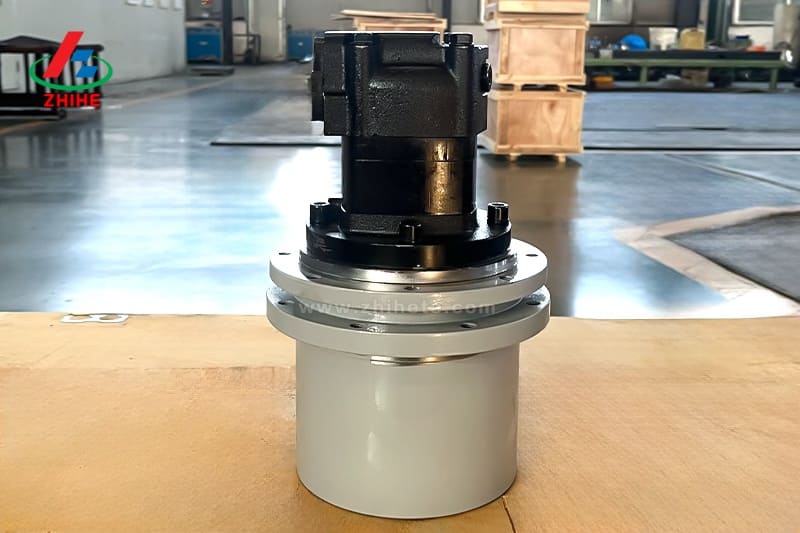
A travel reducer is also called a travel gearbox or planetary wheel drive. It’s a mechanical unit between the drive motor and the tracks of a crawler machine. The motor can be hydraulic or electric.
The reducer’s job is simple but critical. It converts high-speed, low-torque input into low-speed, high-torque output. That torque moves heavy machinery over rough ground with reliability.
Mechanical Principles: Gears & Reduction Ratio
The heart of a travel reducer is its gear train. Most use planetary gears or spur/spiral bevel gears. These gears slow the motor’s high speed and multiply torque. The reduction ratio (e.g., 20:1, 30:1) indicates how many turns the motor must make to spin the track once. A higher ratio means more torque but lower output speed. Shafts, bearings, and pinions supports gearing. It often has a multi-stage reduction arrangement.
Power Transfer: From Motor to Tracks
Here’s how the travel reducer integrates into the powertrain:
- The motor, hydraulic or electric, drives the input shaft. It runs at high RPM but with modest torque.
- Inside the reducer, gear stages slow the rotation. At the same time, they multiply torque.
- The output turns the final sprocket or track wheel. This pushes the track links and moves the machine forward.
- With more torque, the machine climbs slopes, overcomes resistance. It crosses rough ground without strain.
The right reduction ratio and gear design give both precision and power. The travel reducer bridges the gap between motor limits. It fulfills the real demands of pushing heavy loads.
Common Faults of Travel Reducers
Like all mechanical systems, travel reducers face wear and stress over time. Understanding common faults, their causes, effects, and warning signs helps prevent costly breakdowns.
Overheating
- Causes: Low oil levels, clogged filters, excessive load, or poor ventilation. Hydraulic systems running under high load without proper cooling also raise temperatures.
- Effects: Overheating degrades lubricant, reduces efficiency, and can damage gears, shafts, and bearings. Prolonged heat exposure accelerates metal fatigue and shortens service life.
- Warning Signs. Heat alarms, burning smells, and unusual noises. Noticeable performance drops (sluggish movement, power loss).
Oil Leaks
- Causes: Worn seals, cracked O-rings, loose fasteners, or damage to the housing. Vibration and contamination also speed seal wear.
- Effects: Loss of lubricant leads to inadequate lubrication, causing overheating and gear wear. In extreme cases, a complete loss of oil can seize the reducer.
- Warning Signs. Visible oil spots under the machine. Declining oil levels during inspection, or the need to top up more than usual.
Excessive Vibration or Noise
- Causes:. Worn gears, loose mounting bolts, misalignment of shafts, or imbalance in rotating parts.
- Effects. Higher vibration stresses other components, causing faster wear and risk of catastrophic failure. Noise indicates surface wear or improper meshing between gears.
- Warning Signs: Grinding, squealing, or knocking sounds. Noticeable vibration in the cab or chassis during operation.
Gear Wear and Damage
- Causes: Inadequate lubrication, continuous overloading, or contamination with dirt and metal particles. Sudden shock loads also chip gear teeth.
- Effects: Excessive wear leads to reduced efficiency and difficulty in movement. Severe damage can immobilize the machine.
- Warning Signs. Grinding noises, reduced traction power, and abnormal wear marks during inspection. Difficulty maintaining consistent speed.
Seal and Bearing Failures
- Causes: Contaminants in oil, improper maintenance, misalignment, or excessive wear over time. Bearings also fail when overloaded or deprived of lubrication.
- Effects:. Seal failure causes oil leakage, while bearing damage leads to heat buildup. Poor gear meshing and premature breakdown. Both reduce the overall efficiency of the reducer.
- Warning Signs. Oil leaks around the bearing area. Unusual heat at bearing housings, irregular machine operation. Visible play in shafts during inspection.
Why These Faults Matter
Each of these issues compromises both performance and safety. Travel reducers work under heavy stress. Even small problems can grow fast into costly repairs or downtime.
Spotting symptoms early and acting with maintenance extends service life. It keeps machines reliable and prevents failures in critical operations.
Preventive Maintenance for Travel Reducers
Travel reducers face heavy stress in tracked machines. Preventive maintenance is the best way to extend their life and keep them reliable.
Regular inspections, proper lubrication, seal, and bearing care. Also, load monitoring helps avoid costly downtime and failures.
Regular Inspection and Monitoring
Visual inspection remains one of the simplest yet most effective practices. Operators should look for oil leaks, cracks, or unusual wear. Small leaks or surface damage often signal bigger internal issues developing.
Temperature monitoring is critical. Overheating is one of the earliest warning signs of trouble. Installing temperature sensors or using handheld thermal scanners helps track operating conditions. High readings may signal low oil levels, clogged filters, or excessive load.
Listening is another tool. Abnormal sounds such as grinding, knocking, or whirring often mean gears are misaligned. Detecting these noises early prevents catastrophic damage.
Lubrication Maintenance
Proper lubrication is the lifeblood of a travel reducer. Always use the oil and grease recommended by the manufacturer. Because viscosity and additive packages are for specific load and temperature ranges.
- Oil changes should happen at regular intervals. Dark, burnt, or contaminated oil suggests internal wear or overheating.
- Contamination checks are essential. Dirt, water, or metal shavings in oil speed wear. Using clean funnels, filters, and sealed containers during oil changes helps prevent contamination.
- Filter replacement should not be ignored. Oil filters capture small particles that would otherwise damage gears and bearings. Replacing them on schedule ensures lubrication remains clean and effective.
Seal and Bearing Care
Seals protect the reducer from leaks and external contamination. Inspect seals often for cracks, brittleness, or displacement. Replacing seals at the first sign of damage prevents oil loss and dirt intrusion.
Bearings should seen for excessive play, noise, or seizure. Worn bearings increase vibration and cause poor gear meshing. It leads to faster gear wear. Keeping the area clean and ensuring proper lubrication flow helps extend bearing life.
Track Alignment and Tensioning
Travel reducers are directly linked to track performance. Improper track alignment can overload one side of the reducer. It causes uneven wear on gears and bearings. Routine check track alignment, especially after operating on uneven terrain.
Track tension also matters. Over-tight tracks put extra stress on the reducer. Loose tracks cause jerky movement and shock loads. Following the maker’s tensioning guidelines keeps the operation smooth. It also cuts load spikes on the reducer.
Load Monitoring
Operating within design limits is critical. Overloading the machine repeatedly shortens the life of the reducer. Operators should avoid exceeding the rated load capacity. They should also be mindful of steep gradients.
Installing load sensors or monitoring equipment provides real-time data on operating conditions. These systems alert operators to excessive loads. It allows immediate corrective action before damage occurs.
Routine Maintenance Schedule
A structured maintenance schedule is the backbone of preventive care. Instead of relying only on visual checks, follow a routine based on machine hours. For example:
- Light-duty work may only require monthly inspections and quarterly oil changes.
- Heavy-duty or dusty environments demand more frequent servicing.
Preventive maintenance extends the life of travel reducers and protects the whole machine. With consistent care, operators maximize uptime and cut repair costs. It also keeps equipment safe and reliable in tough conditions.
Troubleshooting Tips
Even with good maintenance, travel reducers can still develop problems. Knowing how to troubleshoot them and minimizes downtime and prevents further damage.
Start with basic checks. Inspect for oil leaks, unusual noises, overheating, or vibration. These visible and audible clues often point to seal failures. Monitoring oil condition can also reveal early signs of contamination or internal wear.
Use diagnostic tools where possible. Infrared thermometers, vibration analyzers, and oil sampling kits provide valuable data.
Consult professionals when needed. Attempting repairs without proper training may worsen the problem.
Know when to call a technician. If you notice severe overheating, steady oil loss, or loud grinding, shut the machine down at once. Running it further risks major damage to the reducer and the whole undercarriage. Call a qualified technician. They can diagnose the problem and make safe, reliable repairs. This protects both the machine and your investment.
Conclusion
Travel reducers are key to smooth and reliable tracked equipment. Regular inspections, good lubrication, and load monitoring extend service life.
Preventive maintenance does more than save costs. It secures uptime, safety, and long-term reliability. Explore Zhihe’s professional travel reducers to provide lasting performance for your construction machinery