Introduction: Why Drive Systems Matter
Every lift, every rise, and every smooth move of an aerial work platform depends on one core component, the drive system. It is the force that gives life to motion. Without it, even the most advanced platform would stand still.
Choosing the right drive system is more than picking a motor. It’s about understanding how power, torque, And speed come together to create safe, efficient performance. The right combination ensures balance. Too little torque, and your machine strains. Too much speed, and stability is lost.
These are not small decisions. In high-risk environments like construction, maintenance, or logistics, precision means safety. A well-designed drive system helps operators move with confidence even on slope, uneven terrain, or under heavy loads.
This guide explains every step from calculating torque to selecting the right speed ratio. You’ll learn how engineers balance strength, efficiency, and safety to create machines that perform smoothly in every condition.
Understanding Drive Systems in Aerial Work Platforms
Aerial work platforms rely on their drive systems to move, lift, and position operators safely. Whether it’s a scissor lift, a boom lift, or an elevated work truck, the drive system controls the rhythm of motion. It affects how the platform accelerates, how it stops, and how it reacts to uneven surfaces.
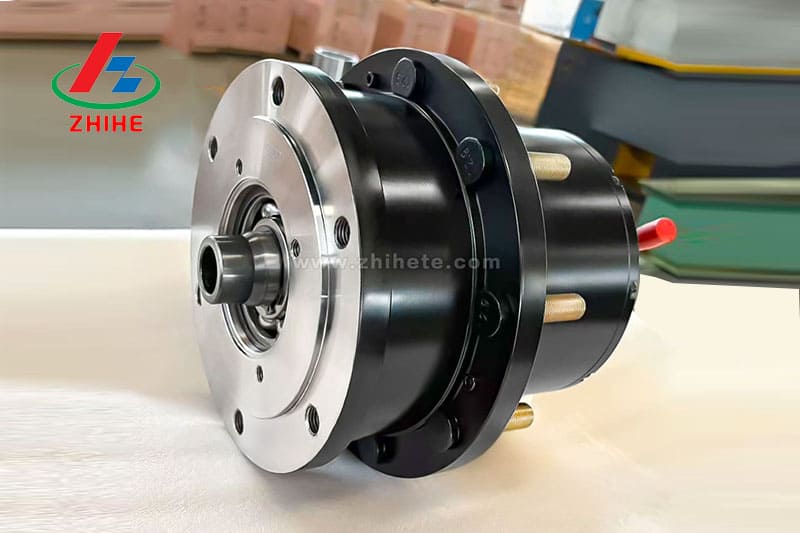
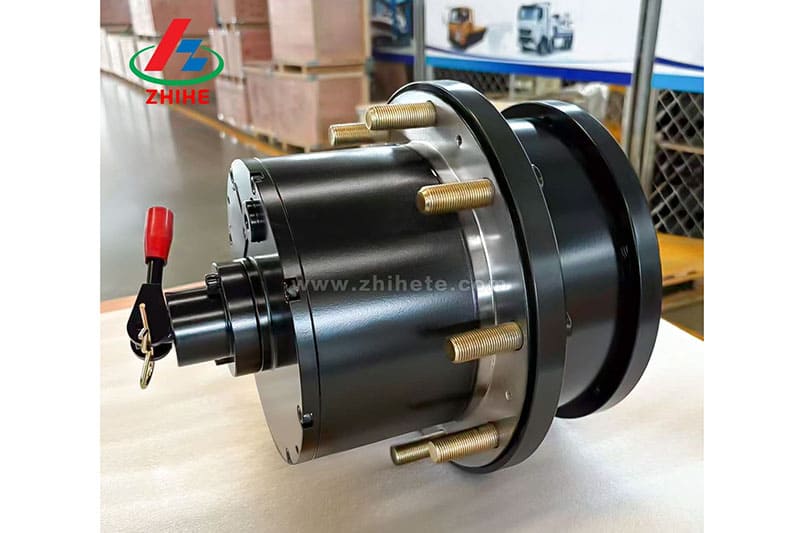
At the heart of this system is the travel reducer, the component that converts engine power into controlled torque. This conversion makes movement smooth, reliable, and safe. The reducer determines how easily the platform can climb slopes or maneuver in tight spaces.
A poorly chosen reducer creates vibration, instability, or slow response times. A precisely matched one improves control, saves energy, and extends the lifespan of the entire machine.
That’s why reducer selection is one of the most important steps in drive system design. It decides not just how well the machine performs, but also how safely it operates over time.
Torque Calculation for Drive Systems
What Is Torque and Why It Matters
Torque is the rotating force that moves your platform forward. It’s what allows an aerial work platform to Climb, turn, or hold position under load. Without enough torque, movement becomes unstable or even impossible.
Think of torque as muscle power. In a human body, muscles lift weight and control balance. In machines, torque does the same. It provides strength for motion and control for safety.
The correct torque value ensures that your AWP can operate under full load while maintaining smooth movement and safety.
Factors That Affect Torque
Several real-world elements affect how much torque your drive system needs:
- Total machine weight including the platform, structure, and maximum load.
- Wheel or track diameter, since larger diameters require more torque.
- Ground conditions such as mud, gravel, or slope that add resistance.
- Friction coefficient, which varies with tire material and surface type.
- Safety factor used by engineers to ensure performance even under extreme stress.
Each factor interacts with the others. A light machine on flat concrete requires far less torque than the same machine on soft or sloped terrain.
Example of Torque Calculation
Here’s a simplified example to help visualize the process.
If a platform weighs 10,000 kg and uses wheels of 0.6 m diameter, torque (T) can be estimated by:
T = (Machine weight × Gravity × Wheel radius) / 2
That gives a baseline torque for flat ground. If the machine operates on slopes or uneven terrain, multiply. The result by a safety factor of 1.3 to 1.5.
This formula provides an initial guide, but engineers adjust the result based on design and usage. Real-world torque calculations include friction, load distribution, and desired acceleration.
Understanding these basics helps buyers and designers ensure that the chosen reducer meets every operational need safely.
Selecting the Optimal Speed Ratio
What Is a Speed Ratio?
Speed ratio (or gear ratio) defines the relationship between input speed and output speed in the drive System. It decides how fast or how strong your machine moves.
A higher speed ratio produces more torque but slower movement. It’s ideal for stability and heavy loads. A lower speed ratio produces less torque but faster movement, better for quick travel on flat ground.
Choosing the correct ratio means balancing both factors, enough power for heavy lifting and enough speed for smooth mobility.
Balancing Speed and Torque
In aerial platforms, torque and speed must work in harmony. Too much torque can waste energy and reduce efficiency, while too much speed can cause instability and safety risks.
- High ratios (around 40:1 or 50:1) are perfect for heavy-duty scissor lifts or rough terrains.
- Low ratios (around 20:1 or 25:1) suit lighter lifts or operations on smooth concrete.
- Medium ratios (30:1 to 45:1) deliver the best balance between power and stability.
Selecting the right ratio helps maintain a steady climb, smooth descent, and secure braking performance. It also protects internal gears from stress and prolongs component life.
Key Factors to Consider
Ratio selection depends on more than just speed or power. Consider:
- Terrain conditions: Slopes need high torque. Flat surfaces allow more speed.
- Platform type: Scissor lifts need stability; boom lifts require flexibility.
- Load capacity: Heavier loads demand higher torque.
- Operator safety: Slow, steady motion reduces the risk of tipping.
When these factors align, the result is a system that performs with precision, safety, and comfort for operators in all conditions.
Benefits of Using Travel Reducers in Aerial Work Platforms
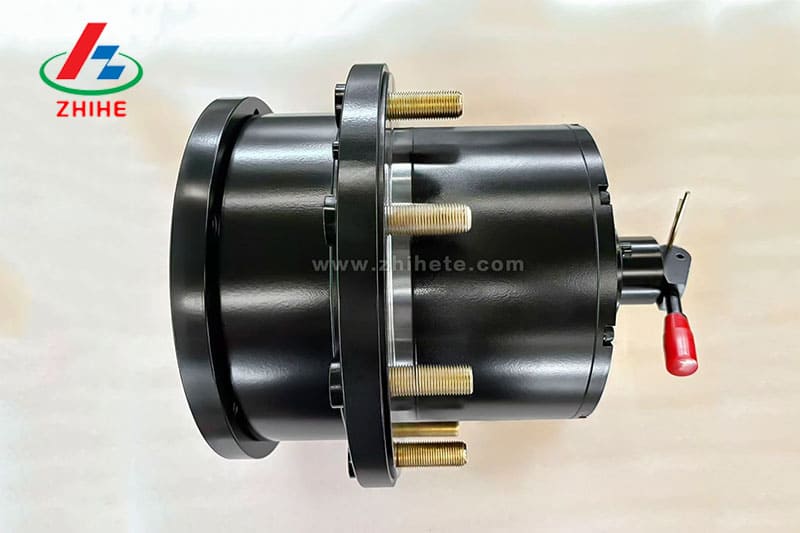
Travel reducers are the bridge between power and performance. They take energy from the motor and turn it into stable, controlled movement.
Here’s what makes them essential:
- Enhanced stability through precise torque output.
- Improved safety with smooth starting and stopping control.
- Durability due to high-strength planetary gear structures.
- Compact design ideal for tight installation spaces.
Modern travel reducers, such as those engineered by Zhihe Intelligent Equipment, are designed for long-term industrial use. Built with precision-machined gears, advanced sealing, and corrosion-resistant Materials, they deliver consistent performance even in harsh conditions.
They don’t just move the platform, they keep it steady, predictable, and safe.
Common Mistakes in Drive System Selection
Many performance and safety issues trace back to poor component selection.
Here are some frequent mistakes to avoid:
- Skipping torque calculations. Leads to underpowered machines that struggle on slopes.
- Ignoring safety margins. Small miscalculations can cause dangerous instability.
- Choosing incorrect speed ratios. Too fast means unsafe operation; too slow means wasted efficiency.
- Neglecting maintenance. Even the best reducer fails without care.
Each mistake can shorten equipment life or risk operator safety. Preventing them means more uptime, fewer repairs, and better overall reliability.
Preventive Maintenance for Travel Reducers
Maintenance is not an afterthought, it’s a protection plan. With proper care, a reducer can last more than a decade.
Do Routine Inspections.
Check for leaks, worn seals, or cracked casings. Watch for vibration or noise during operation. Small signs often warn of bigger issues ahead.
Lubrication
Use the recommended oil or grease and replace it at regular intervals.
Clean, well-lubricated gears reduce friction, prevent overheating, and ensure efficient torque transfer.
Monitoring Performance
Operators should monitor three key indicators:
- Temperature: Rising heat may mean overloading or poor lubrication.
- Vibration: Can signal gear misalignment or imbalance.
- Noise: Often caused by worn bearings or internal wear.
Regular monitoring avoids unexpected breakdowns and keeps your platform operating safely.
Frequently Asked Questions
1. What does a travel reducer do in a work platform?
It transfers motor power to the wheels or tracks, controlling torque and speed for safe and stable motion.
2. How typically should I inspect the reducer?
Inspect every 3 to 6 months, depending on usage and environment. Heavy use may require more frequent checks.
3. What happens if torque is miscalculated?
Underpowered systems may stall or overheat, while excessive torque wastes energy and stresses components.
4. How can I choose the right speed ratio?
Consider terrain, machine weight, and platform type. Scissor lifts need higher ratios for stability, while boom lifts use lower ratios for flexibility.
5. Why trust Zhihe for drive systems?
Zhihe Intelligent Equipment has over 15 years of experience in planetary reducer technology. Their reducers and hydraulic systems are known for durability, precision, and safety.
Conclusion: Precision That Moves Safely!
The right drive system is the foundation of every reliable aerial platform. It defines how safely, smoothly, and efficiently your machine performs each day.
By understanding torque and selecting the correct speed ratio, you ensure not only powerful performance but also safety and stability for operators.
At Zhihe Intelligent Equipment, we combine years of research and precision engineering to create drive systems that deliver consistent results across industries. Our planetary reducers are built for performance that lasts, reducing downtime and improving operational control.
Whether you are designing a new machine or upgrading an existing one, our technical team can help you select the ideal configuration, from torque calculations to installation guidance.
⤷ Ready to build a safer and stronger aerial work platform?
Contact Zhihe Intelligent Equipment today for technical consultation or a custom-built drive system designed to match your exact needs.