Introduction – The Silent Power That Moves Giants
Every machine has a backbone. The crane that keeps a skyscraper rising.
The excavator digging for foundations in wet clay. The wind turbine turning through coastal winds to power a city.
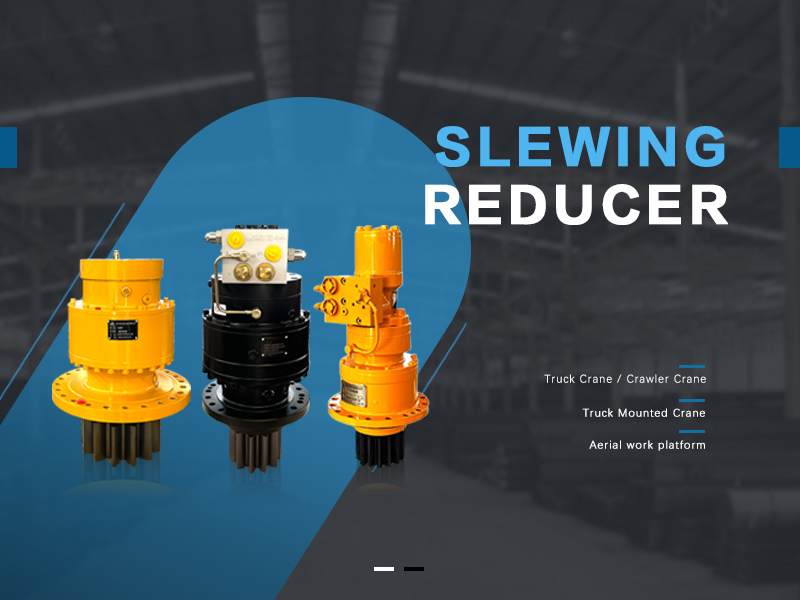
Behind these giants, there is a silent but critical component: the swing reducer.
It translates raw motor speed into controlled, reliable rotation. It allows machines to pivot safely, hold their position under massive loads, and operate in harsh conditions without breaking down.
This guide will take you through what swing reducers are, why they matter, and how to choose the right one for your application. We’ll also explore common mistakes to avoid and real-world examples where the right reducer made all the difference.
What is a Swing Reducer, and Why Does It Matter?
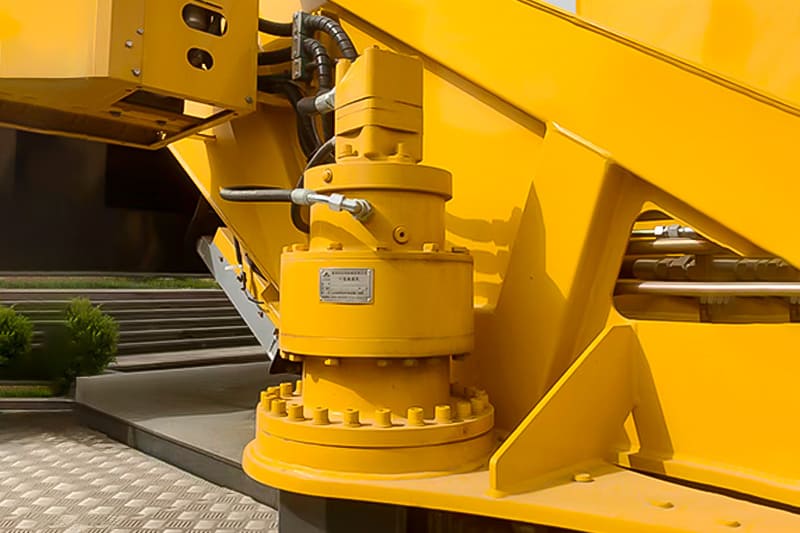
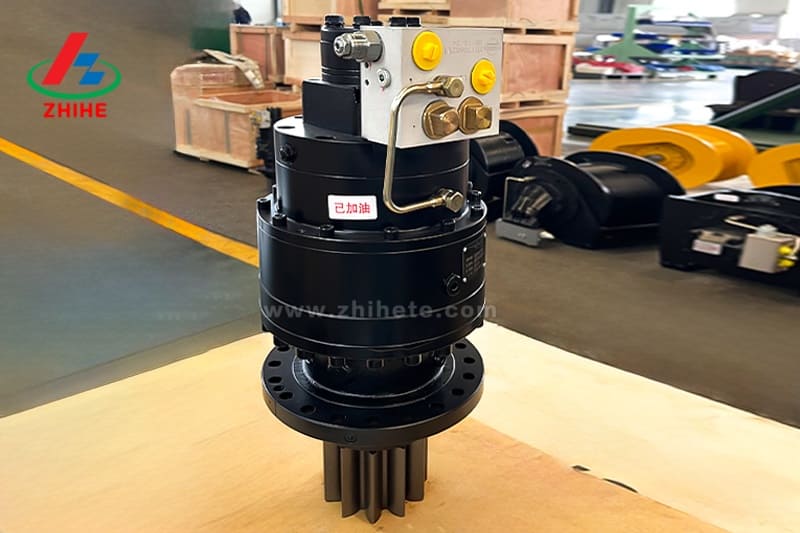
A swing reducer (also called a slewing reducer or swing gearbox) is a device that controls rotation in heavy machinery. It takes the fast input from a motor and slows it into strong, precise movement.
Think of it as the translator between speed and torque (torque = rotational force). Without it, cranes would struggle to hold a heavy beam steady, and excavators would spin uncontrollably instead of digging with precision.
The Key Components – Built for Reliability
A high-quality swing reducer is not just about gears, it’s about a system engineered for safety, strength, and longevity.
- Planetary Gear Set → The heart of Zhihe’s swing reducers. Planetary gears share loads across multiple points, delivering immense torque in a compact, efficient design.
- Bearings and Housing → Heavy-duty frames that absorb shocks, impacts, and the stress of long working hours.
- Seals and Lubrication → Protection against dust, water, and wear, ensuring smooth performance even in extreme environments.
- Normally Closed Brakes → A Zhihe standard. These brakes stay engaged by default and only release when powered. This means that in the event of a power loss, the system locks safely instead of slipping, a crucial safeguard for operators and job sites.
Together, these elements turn raw power into smooth, dependable motion, the difference between a safe lift and an expensive breakdown.
Types of Swing Reducers – Industry Context vs. Zhihe’s Focus
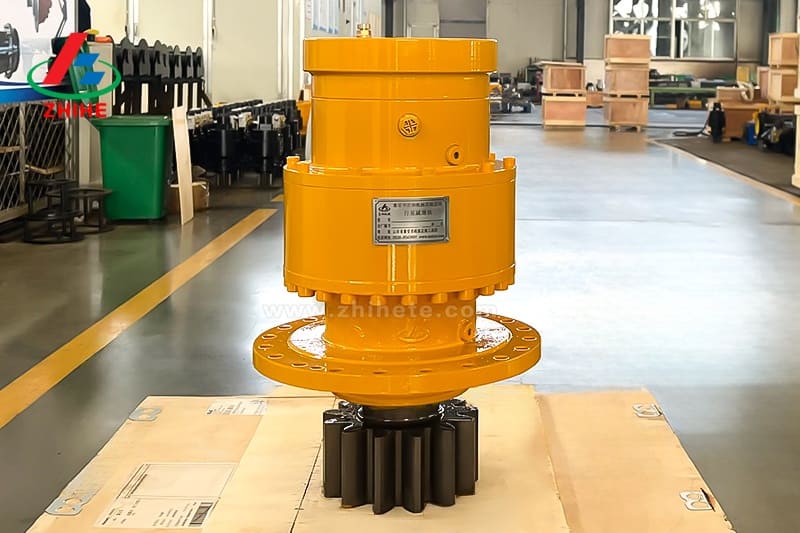
For most heavy-duty applications, planetary reducers are the first choice due to their durability, safety and strong torque.
Planetary Swing Reducers – Compact Strength
Planetary gears use multiple small gears working together, sharing the load and delivering immense torque in a small package.
Why they matter:
- High torque in a compact size
- Long lifespan, even under constant stress
- Perfect for cranes, excavators, wind turbines, and mining trucks
Real-world example: In high-rise construction, tower cranes equipped with planetary swing reducers work for months in harsh environments without failure. That reliability means fewer delays and reduced project costs.
➺Therefore, when comparing options, prioritize planetary designs with high torque density and integrated safety brakes (such as normally closed brakes)..
Other Types in the Market
While Zhihe’s focus is planetary reducers, buyers may encounter other types in the broader industry:
- Worm Swing Reducers: Known for slow, controlled movements and natural resistance to back-driving. Used in solar trackers or rotating platforms.
- Helical Swing Reducers: Offer smoother, quieter operation with higher efficiency. Found in indoor machinery like conveyors or robotics.
- Bevel & Spiral Bevel Reducers: Handle angled loads and unique conditions. Often used in turbines or specialized equipment.
These systems exist, but when it comes to power, reliability, and safety, Zhihe’s planetary reducers with normally closed brakes remain the superior choice.
How to Choose the Right Swing Reducer – A Smart Buyer’s Guide
Buying a swing reducer isn’t just about replacing a part. It’s about protecting your machine, workers, and investment. The wrong choice can lead to downtime, high maintenance costs, or even accidents.
Key Considerations
1. Torque Requirements
Torque is the strength of rotation. If the reducer can’t handle the torque your machine demands, it will overheat and fail. You should always size based on the heaviest workload, not just the average load.
2. Rotation Speed and Control
The gear ratio (balance between speed and torque) defines whether your machine rotates steadily or quickly. Choose based on your real-world application, not just specs on paper.
3. Environment
Dust, heat, salt air, or freezing cold can destroy a gearbox not built for those conditions. Always decide reducers with the right seals and protective coatings.
4. Size and Mounting
Even the most advanced reducer is useless if it doesn’t fit. Precision in dimensions, mounting, and alignment ensures efficiency and safety.
Application-Driven Choices
- Heavy lifting → Planetary swing reducer
- Precise tracking → Worm reducer
- Quiet, efficient indoor use → Helical reducer
- Harsh or angled environments → Bevel reducer
The smartest choice isn’t just about mechanics. It’s about selecting the reducer that empowers your machine to do its job with confidence, safety, and endurance.
Common Mistakes to Avoid
Even experienced operators sometimes make costly errors when selecting or using swing reducers. These mistakes don’t just shorten the life of the component, they can bring entire projects to a halt.
1. Underestimating torque needs
Torque is the backbone of performance. If a reducer is undersized, it will be forced to work harder than it was designed to. The result? Overheating, premature gear wear, or sudden breakdowns right in the middle of a critical lift or excavation. Downtime in these cases can cost thousands in lost productivity. Always size reducers for the maximum load, not just average use.
2. Ignoring the environment
It’s easy to forget that a machine’s working environment is as demanding as the task itself. A reducer that performs well inside a factory may quickly corrode on a dusty construction site or fail within months on offshore wind farms exposed to salt spray. Proper sealing, anti-corrosion coatings, and design features built for harsh climates are non-negotiable for long-term reliability.
3. Overlooking application fit
Not every reducer type is suitable for every job. Using the wrong design can cut efficiency in half and put unnecessary strain on the entire system. For example, a high-torque planetary reducer excels in lifting and excavation, while helical types are ideal for quieter, indoor automation. Choosing based on “what’s available” instead of “what’s required” is one of the costliest mistakes you can make.
➙ Avoiding these pitfalls ensures your swing reducer becomes more than a spare part. It becomes a guarantee of reliability, protecting your investment and keeping your machinery running strong under pressure.
Swing Reducers in Action – Where They Make the Difference
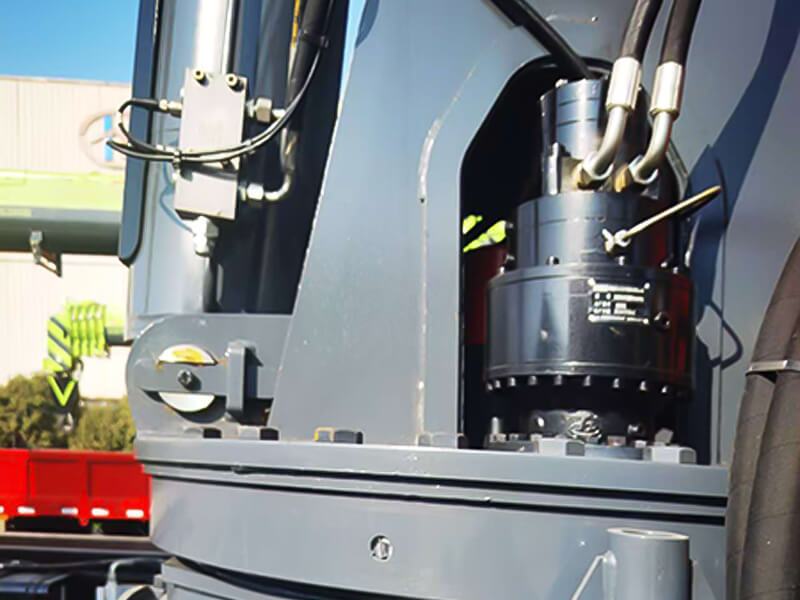
Swing reducers are not abstract components hidden inside machines. They are the reason massive equipment performs with safety, precision, and reliability.
- Cranes lifting tons without tilting → Prevents sudden swings, ensuring loads are placed exactly where needed.
- Excavators rotating smoothly in rocky terrain → Maintains digging accuracy and stability under stress.
- Wind turbines powering homes through storms → Reducers in yaw systems keep turbines facing the wind without stalling.
- Solar trackers aligning with the sun → Steady, precise motion increases energy output by up to 20%.
- Mining trucks under nonstop stress → Handles steep slopes and heavy loads without breakdowns.
Robotic arms working silently for years → Quiet, precise movement keeps automated factories efficient.
In short: from construction and renewable energy to mining and manufacturing, swing reducers are the unsung heroes of reliable machines.
The Future of Swing Reducers – Smarter and Stronger
Swing reducers are evolving with the industries they serve. The focus is shifting from sheer strength to smarter, safer, and more efficient designs.
- Lighter, tougher materials → Fuel-efficient machines with no compromise on durability.
- Compact, high-torque designs → Same power in smaller, easier-to-integrate packages.
- Energy-efficient engineering → Less power loss, lower costs, reduced environmental impact.
- IoT-enabled sensors → Real-time monitoring (temperature, vibration, wear) for predictive maintenance.
- Enhanced safety systems → Zhihe’s normally closed brakes ensure equipment stays locked and stable, even in emergencies.
⤷ Tomorrow’s swing reducers will be lighter, smarter, and safer — ensuring machines run longer, more reliably, and at lower cost.
Frequently Asked Questions
1. How often should swing reducers be maintained?
Every few months. Inspect lubrication, seals, and bearings to prevent wear.
2. Can swing reducers be customized?
Yes. Torque, size, and mounting options can be tailored to fit specific machines.
3. Which industries benefit most?
Construction, mining, renewable energy, robotics, and transport.
4. How do I know if a reducer is failing?
Watch for unusual noise, vibration, overheating, or difficulty rotating.
5. Are they suitable for outdoor use?
Yes. With proper sealing and corrosion protection, they thrive in harsh conditions.
6. What’s the average lifespan?
With good maintenance, 15–20 years, even under heavy use.
Conclusion – Building the Backbone of Tomorrow’s Machines
Your swing reducer choice defines how your machine performs for years to come. It’s not just a part, it’s a safeguard for uptime, efficiency, and safety.
Now that you understand the options, the question is: Which reducer is right for your application?
Work with suppliers who don’t just sell gearboxes but provide testing, customization, and long-term support. That’s how you protect your investment and power your projects with confidence.
⤷ For further insights, explore our related guide: The Complete Guide to Hydraulic Winches.
✮ Your Next Move – Redefine Reliability
At Zhihe, we don’t just manufacture swing reducers. We engineer trust.
With over 15 years of expertise, we specialize in:
- High-performance planetary swing reducers
- Durable helical solutions
- Tailored designs for cranes, excavators, and wind turbines
- Safety-first systems with normally closed brakes
✮ Ready to strengthen your machinery?
⤷ Download our catalogue or request a free consultation today.