
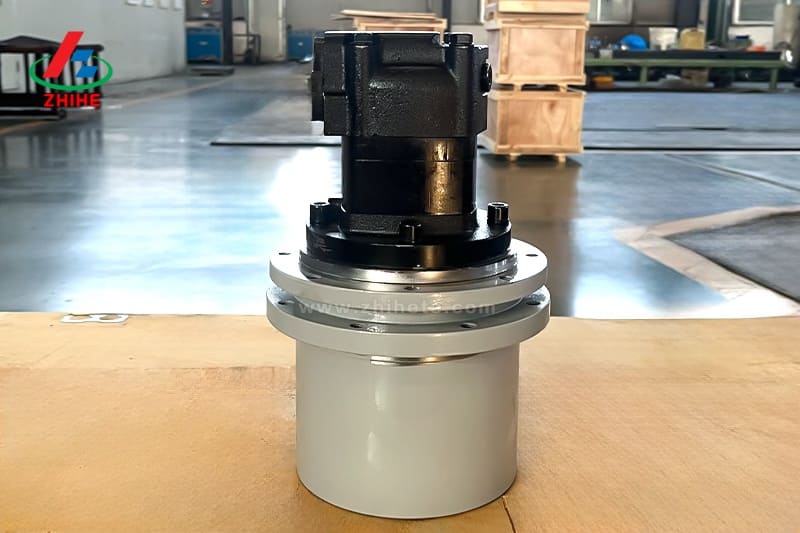
What are Travel Reduction Gears?
Travel reduction gear plays a key role in excavators, bulldozers, and cranes. It sits between the motor and the track or wheel system. Its job is to reduce speed and multiply torque so the machine can move with control under heavy loads. They are ideal for construction equipment and enhance operational efficiency.
Why Maintenance Matters
Without proper care, these gears face stress from heat, load, and debris. Failure in a travel reduction gear can stop a machine completely. That means costly downtime, lost productivity, and expensive repairs.
Maintaining travel reduction gears keeps machines efficient, reliable, and safe. In this blog, we’ll look at what causes wear and how to avoid costly repairs. Steps include proper maintenance. How to prevent it, and practical steps to extend gear life for long-term performance.
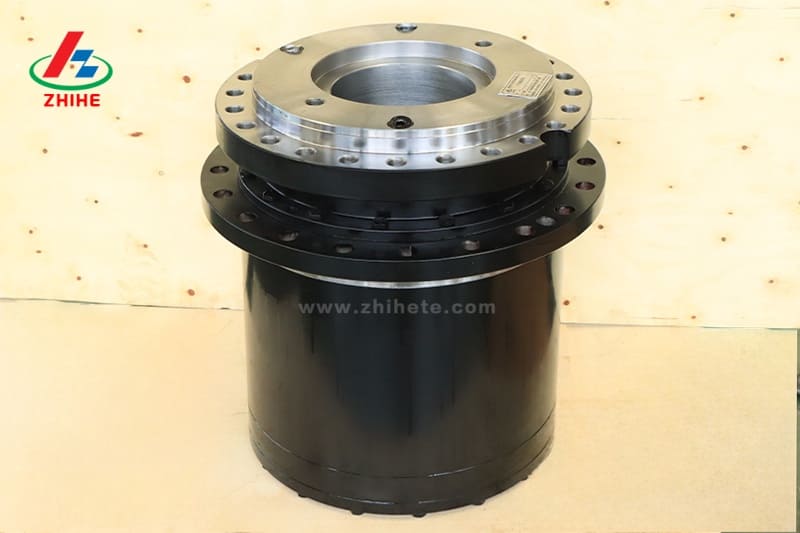
What Causes Wear and Tear on Travel Reduction Gear?
Over time, travel reduction gears face many stresses. It impacts the hydraulic system.. Knowing what causes damage helps you maintain them better.
Heat and Friction
When gears mesh, parts slide or roll against each other. That motion generates heat and friction. If too much heat builds, metal parts soften or lose their hardness. That accelerates wear, pitting, and surface damage.
Even with good design, constant operation can gradually erode surfaces. Over time this takes a toll on bearings, shafts, and gear teeth.
Lack of Lubrication
The most common cause of failure in gear systems is insufficient lubrication.
Without a good lubricant film, metal surfaces touch directly. That leads to scoring, scuffing, and excessive wear.
Using the wrong type of lubricant is also dangerous. In worm gearboxes, some extreme-pressure additives can soften bronze gears. It also impacts the speed wear.
Improper Loading or Overloading
Every gear has a design load limit. When loads exceed that, stress concentrates on teeth roots and flanks. That leads to fatigue cracks, pitting, or even broken teeth.
Repeated shock loads or overloading shorten gear life faster than steady operation.
Contaminants and Debris
Foreign particles—dirt, metal fragments, sand, water—are serious threats.
- Hard particles act as abrasives, scratching surfaces and cutting gear material.
- Water causes corrosion, reduces lubricant film, and breaks down additive chemistry.
- Debris in the lubricant also speeds wear and can block oil flow to critical spots.
Contamination is harmful because sliding contact areas are vulnerable in worm gear systems
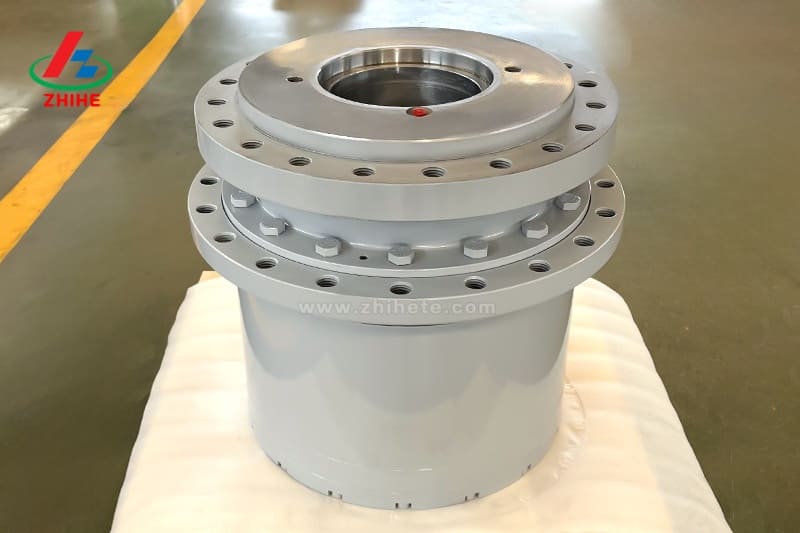
5 Essential Maintenance Tips for Extending Gear Life
1. Regular Lubrication
Lubrication is your first defense against wear and heat. Without it, surfaces rub together and deteriorate quickly.
- When to lubricate: Follow operating hours and usage. For heavy use daily or weekly; for lighter duty, according to schedule.
- Type of lubricants: use gear oils or greases that match manufacturer specs. For sliding contact gears (like worm gears), use oils or greases rated for extreme pressure.
- Best practices: clean fittings before applying new lubricant (to avoid pushing debris inside).
- Automatic systems: Use an automatic lubrication system to ensure consistent (where possible).
2. Consistent Inspections
Regular visual and physical checks help you catch problems early.
- Look for cracks, pitting, or abnormal wear on gear teeth and surfaces.
- Check seals, gaskets, and O-rings for leaks or damage.
- Ensure bolts and fasteners are tight; loose hardware puts misalignment stress on gears.
- Use instruments to measure backlash and tooth clearance — deviations from spec signal wear.
3. Proper Load Management
Gears are designed with capacity limits. Respect them.
- Know the maximum rated load for your travel reduction gear system.
- Avoid sudden shock loads or frequent overloading — they cause fatigue and early failure.
- Use safety margins (e.g. pick a gear rated 10–20 % above your expected load) so the system is not always pushed at the limit.
4. Cleanliness and Protection
Contaminants are a hidden, lethal enemy of gears.
- Keep the exterior clean before opening gear housings or covers — don’t let dust or dirt enter.
- Use good filters, breathers, and seals. It stops contaminants (water, fine dust, metal particles).
- Flush or replace lubricant when contamination is present.
- Protect the gear housing from splashes, debris, and external hazards.
- For systems with closed brakes, seal the brake area. It prevent lubricant or debris from infiltrating the brake surfaces.
5. Temperature Control
Heat is one of the prime factors in gear damage.
- Monitor oil or housing temperature with sensors or infrared tools.
- Know the preferred operating range for your specific gear system (check specs).
- If temperature rises too much, stop and inspect. Check lubrication, load, alignment, and oil condition.
- Use cooling, better ventilation, or external heat dissipation methods if needed.
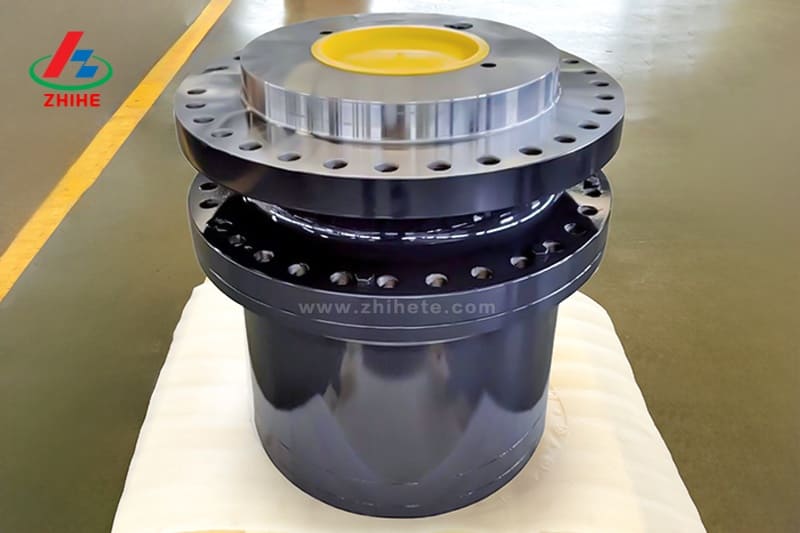
How to Troubleshoot Common Issues with Travel Reduction Gears
Even with good maintenance, travel reduction gears can show faults over time. Knowing what issues arise and how to diagnose them helps you act fast.
Unusual Noises
Grinding, whining, or knocking sounds are red flags.
What they indicate:
- Worn or damaged gear teeth or bearings
- Misalignment or inconsistent mesh between gears
- Loose fasteners or weak mounting
- Improper lubrication (oil too thin, too little, or degraded)
- Excessive backlash, vibration, or resonance in the housing
How to address it:
- Stop the machine and run a dry test (without load) to localize the source.
- Inspect gear teeth, bearings, and mounting bolts for damage or looseness.
- Check alignment of shafts and couplings; realign if needed.
- Verify correct lubricant type, level, and condition. Replace if contaminated.
- Tighten mounts, inspect housing rigidity, and eliminate resonance sources.
Poor Performance (Slippage or Delayed Motion)
When the machine moves sluggishly or seems to lose power, internal issues may be at fault.
Causes:
- Gear or bearing wear reducing efficiency
- Lubricant breakdown or contamination
- Excess backlash or excessive internal clearance
- Load greater than design capacity
- Partial binding or drag in brake or other components
Troubleshooting steps:
- Compare expected speed and torque vs actual under no-load test.
- Examine internal components (if possible) for wear or damage.
- Check lubricant for viscosity changes, particulate load, or foaming.
- Inspect couplings, shafts, and gears for slippage or looseness.
- For systems with normally closed brakes. Ensure the brake is releasing fully and not adding drag.
Leaks
Oil or lubricant leaking out is a symptom you should not ignore.
Typical causes:
- Damaged or worn seals, O-rings, gaskets
- Cracks in housing or mating surfaces
- Overfilled lubricant causing excess pressure
- Loose fittings, plugs, or fasteners
- Poor sealing design or worn shaft seals
How to fix leaks:
- Clean the exterior and look while operating to spot leak path.
- Replace seals, gaskets, and O-rings with correct specification parts.
- Ensure proper torque and sealing surfaces, correct alignment.
- Check lubricant level to ensure it is not overfilled.
- After repair, run the system at low load and recheck for seepage.
Vibration
Unusual or excessive vibration points to deeper mechanical issues.
What vibration may mean:
- Shaft misalignment or runout
- Bent or imbalanced shaft
- Loose or worn bearings or supports
- Gear tooth errors or mesh problems
- Resonance or harmonics in housing
How to address it:
- Use vibration sensors or stethoscopes to pinpoint the source.
- Check alignment of shafts, mounts, and couplings.
- Measure shaft straightness (runout) and correct if bent.
- Inspect bearings for looseness, wear, or damage.
- Reinforce housing or mounting to reduce resonance.
Preventative Maintenance Checklist for Travel Reduction Gears
To protect your travel reduction gears, use a structured checklist. Do the right checks each day, month, and year.
Daily / Weekly Checks
- Oil / lubricant level & condition Check through sight glass or dipstick. Top up if low. Watch for discoloration or milky appearance.
- Visual inspection Look for leaks, cracks, or damage on housing, seals, and covers.
- Breather / vent check Ensure breathers are clear, not clogged.
- Noise, vibration & temperature. Listen for new or odd sounds; feel for vibration; use a thermometer to check if it runs hot.
- Fasteners & mounting bolts Ensure bolts are tight, no loosening.
Monthly / Quarterly Checks
- Wear inspection. Open covers (if safe) and inspect gear teeth, shafts, bearings for pitting, cracks, or uneven wear.
- Backlash & clearance Measure gear backlash or side play, compare with spec.
- Seal & gasket inspection Check seals and gaskets for degradation or leakage.
- Alignment checks Verify shaft alignment and mounting alignment; correct if drift found.
- Lubricant sampling Take sample of oil; inspect metal particles, water ingress, viscosity change.
- Housing & internal component cleaning Clean interior if contamination found or during inspection.
Annual / Long-Term Checks
- Full disassembly inspection Open the unit, inspect all internal parts, clean thoroughly.
- Gear & component replacement Replace worn gears, bearings, seals as needed with correct specs.
- Overhaul critical systems Re-seal housing, inspect structural parts, test full load.
- System upgrades / improvements. Consider better seals, breathers, or upgraded materials based on field feedback.
- Record review & trend analysis. Compare past logs, note recurring faults, part life trends, adjust maintenance plan.
The Benefits of Regular Maintenance
Extended Equipment Lifespan
A well-maintained travel reduction gear lasts longer. Proper lubrication, inspections, and cleaning reduce stress on gears and bearings. This lowers the risk of sudden breakdowns and keeps machines working for years. Less downtime means operators can rely on equipment when it’s needed most.
Improved Efficiency
When gears run smoothly, machines perform better. Efficiency improves because power transfers with less loss. Operators notice quicker response, consistent motion, and stable performance under load. Productivity rises, and jobs finish faster.
Cost Savings
Maintenance is far cheaper than repair or replacement. It helps you prevent small problems from becoming big ones. Avoiding catastrophic failures saves money on parts, labor, and downtime. Preventive care is an investment that pays back in lower operating costs.

Choosing the Right Lubricant for Travel Reduction Gears
Lubrication is more than topping up oil. The right lubricant protects gears, controls heat, and ensures smooth operation. Using the wrong type can cause faster wear or even failure.
Oil vs. Grease
- Oil: Best for enclosed gearboxes such as planetary or bevel gear systems. Oil flows easily, reaches all contact points, and carries heat away.
- Grease: Suited for open gears or areas where oil circulation is difficult. Grease stays in place but doesn’t cool as well as oil.
Viscosity Grades
Always check viscosity. Oil that’s too thin won’t maintain film strength. Oil that’s too thick won’t flow properly at low temperatures.
- Cold climates need lower-viscosity oils that flow easily.
- Hot climates need higher-viscosity oils that resist thinning under heat.
Additives and Gear Type
Different gears have different needs.
- Planetary gears: often use extreme pressure (EP) additives for high load carrying.
- Worm gears: need special care. Some EP additives (lwith sulfur or phosphorus) can corrode bronze worm wheels. Always use oils marked safe for worm gears.
OEM-Approved Lubricants
Follow the manufacturer’s recommendation for brand and type. OEM-approved oils are tested with their gear materials and seals. Using alternatives may risk incompatibility.
Clean Handling
Even the right lubricant can fail if it’s contaminated.
- Store oils in sealed containers.
- Use clean funnels or pumps.
- Keep dust, dirt, and moisture out when filling.
View oil changing guide here.
Frequently Asked Questions About Travel Reduction Gears
How often should I change the oil in a travel reduction gear?
It depends on usage. For machines in heavy daily work, check oil weekly and replace every 1,000–2,000 hours. Always follow the manufacturer’s schedule.
Can I use the same lubricant for planetary and worm gears?
Not always. Planetary gears often use oils with extreme pressure (EP) additives. Worm gears need oils that are safe for bronze surfaces. Check the label before use.
What happens if a travel reduction gear is overloaded?
Overloading stresses gear teeth, bearings, and shafts. This causes cracks, faster wear, or sudden failure. Always respect the rated load and use safety margins.
How do I know if my gear needs service?
Watch for signs like:
- Unusual noise (whining, grinding)
- Leaks or oil level dropping
- Excess vibration or overheating
- Slower response or reduced power
Why are normally closed brakes important in travel reduction gears?
Normally closed brakes hold the load safely when power is cut. They prevent unplanned movement and add safety in case of hydraulic or power failure.
Can contaminated oil damage the gear quickly?
Yes. Dirt, water, or metal particles in oil cause abrasive wear and corrosion. Even small contamination shortens gear life. Always keep lubricants clean and sealed.
Conclusion
Now that you have mastered these key maintenance tips, your first step should be to create a detailed maintenance checklist for your equipment based on these key points.
For a more comprehensive understanding of how these components work, check out our in-depth guides:<Common faults and preventive maintenance of crawler equipment travel reducers>
If you need expert help with maintenance, parts, or upgrades, our team at ZHIHE is ready to support you. Contact us today and explore our gear solutions to keep your machinery running. We make sure your machinery stays strong for the long haul.